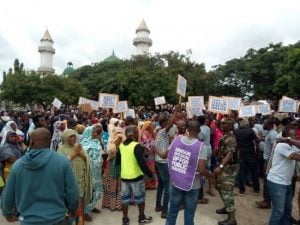
Nigerians doing business in Ghana have generally been fairer in trade than many local traders, often offering reasonable prices for their goods and services. On the other hand, Ghanaian traders frequently overprice their products, making life more difficult for ordinary citizens.
While Nigerians reduce their prices to attract buyers, some Ghanaian traders deliberately inflate theirs in pursuit of excessive profits. Critics argue that the ongoing “Nigeria Must Go” protests are fueled more by personal interest than by genuine national concern. Many traders believe Nigerian businesses are taking over the market simply because they offer more affordable goods and services to Ghanaians.
Observers point out that Nigerian traders are often accused of undercutting locals by selling at fair prices, which attracts Ghanaian consumers and leaves local traders struggling to maintain high profit margins. Instead of adjusting their prices to ease the economic burden on citizens, some local traders have directed their frustration into protests demanding the expulsion of Nigerians from Ghana.
Critics insist that such actions are motivated by greed and fear of competition rather than patriotism. They urge that the energy used to attack Nigerians should instead be directed at tackling issues like overpricing, exploitative rent demands, and poor enforcement of trade regulations problems that continue to worsen the plight of ordinary Ghanaians.
It is ironic that Ghanaian youth, who are forced to pay two or more years’ rent in advance—despite the rent law stipulating only 3 to 6 months—would take to the streets to demand Nigerians leave. That same energy should be channeled toward the Rent Control Department to hold landlords accountable and enforce Ghana’s rent laws.
Even more troubling, the Ghana Immigration Service recently called on landlords not to rent to Nigerians and even provided a hotline to report those who do. This misplaced focus raises serious concerns. Instead of targeting Nigerians who are contributing to the Ghanaian economy by offering affordable goods, immigration authorities should prioritize addressing the unchecked influx of beggars, including disabled individuals and children, many of whom are suspected victims of trafficking.
Immigration and border security agencies have a duty to protect the country from such risks. Yet, instead of tackling these pressing issues, they are targeting Nigerians who are supporting the economy and easing the financial burden on Ghanaians unlike some local traders who exploit their own people with exorbitant prices.