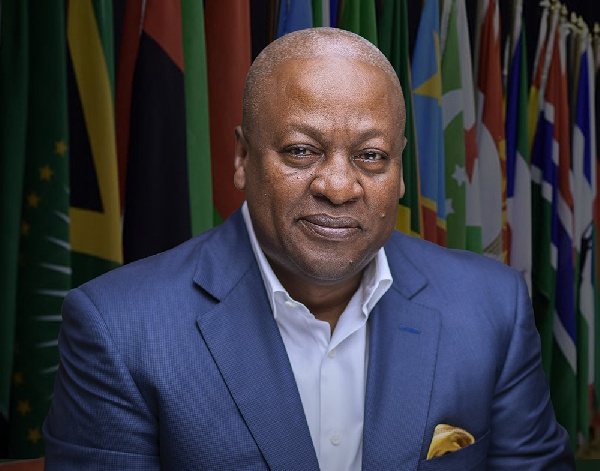
Story By: Nii Okpoti Odamtten / Muhammad Faisal Mustapha.
In an era defined by climate uncertainty and the urgent call for responsible governance, Daasebre Kwabu Ewusi VII, Paramount Chief of the Abeadze Traditional Area and Board Chairman of the Water Resources Commission, stands at the intersection of heritage and modern statecraft an emblem of how traditional leadership can shape national and global conversations on sustainability.
From the coastal stretches of Ghana’s Central Region, where livelihoods are intricately tied to land and water, Daasebre Ewusi has emerged not only as a custodian of culture but as a strategic advocate for environmental stewardship. His leadership reflects a rare synthesis: the authority of ancestral wisdom fused with the urgency of contemporary ecological challenges.
At the Water Resources Commission, the institution mandated to regulate and manage Ghana’s water resources, his chairmanship has been marked by a renewed emphasis on accountability, conservation, and inclusive policy direction. Under his guidance, the Commission has amplified its focus on safeguarding river bodies threatened by illegal mining, pollution, and climate induced stress issues that continue to test Ghana’s environmental resilience.
“Water is not merely a resource; it is the lifeblood of our people, our culture, and our future. To protect it is to protect the very essence of our nation,”
His voice carries beyond boardrooms and traditional palaces. It resonates within communities where water scarcity and contamination directly impact health, agriculture, and economic survival. In these spaces, his influence is both symbolic and practical mobilizing chiefs, youth groups, and local institutions to take ownership of environmental protection.
Observers note that his leadership style is anchored in dialogue and consensus building, hallmarks of Ghana’s chieftaincy system. Yet, he does not shy away from firm advocacy when national interest demands it. On the contentious issue of illegal mining, widely known as “galamsey,” he has consistently called for a unified national response one that balances enforcement with sustainable livelihoods.
“We must confront environmental degradation with courage and unity. The cost of inaction is far greater than the discomfort of reform,” he says.
Beyond environmental governance, Daasebre Ewusi’s reign in the Abeadze Traditional Area has been characterized by initiatives aimed at social cohesion and local development. From supporting education and community health to preserving cultural identity, his traditional leadership reinforces the idea that development must be rooted in people and place.
His dual role traditional ruler and national policy leader places him in a unique position to bridge gaps between grassroots realities and institutional frameworks. Analysts argue that this model of leadership could offer valuable lessons across Africa, where traditional authorities remain influential yet underutilized in formal governance structures.
“When tradition and policy walk hand in hand, development becomes not only possible but sustainable.”
As Ghana navigates the complexities of climate change, urbanization, and resource management, figures like Daasebre Kwabu Ewusi VII highlight the enduring relevance of indigenous leadership in shaping modern futures. His work underscores a broader truth: that sustainable development is not solely the domain of technocrats and policymakers, but also of cultural custodians who understand the rhythms of their land and people.
In a world increasingly searching for models of inclusive and sustainable leadership, his story offers a compelling narrative one rooted in heritage, driven by responsibility, and defined by a vision that transcends generations.
“Leadership is not about authority alone; it is about stewardship of people, of resources, and of the future we leave behind.”