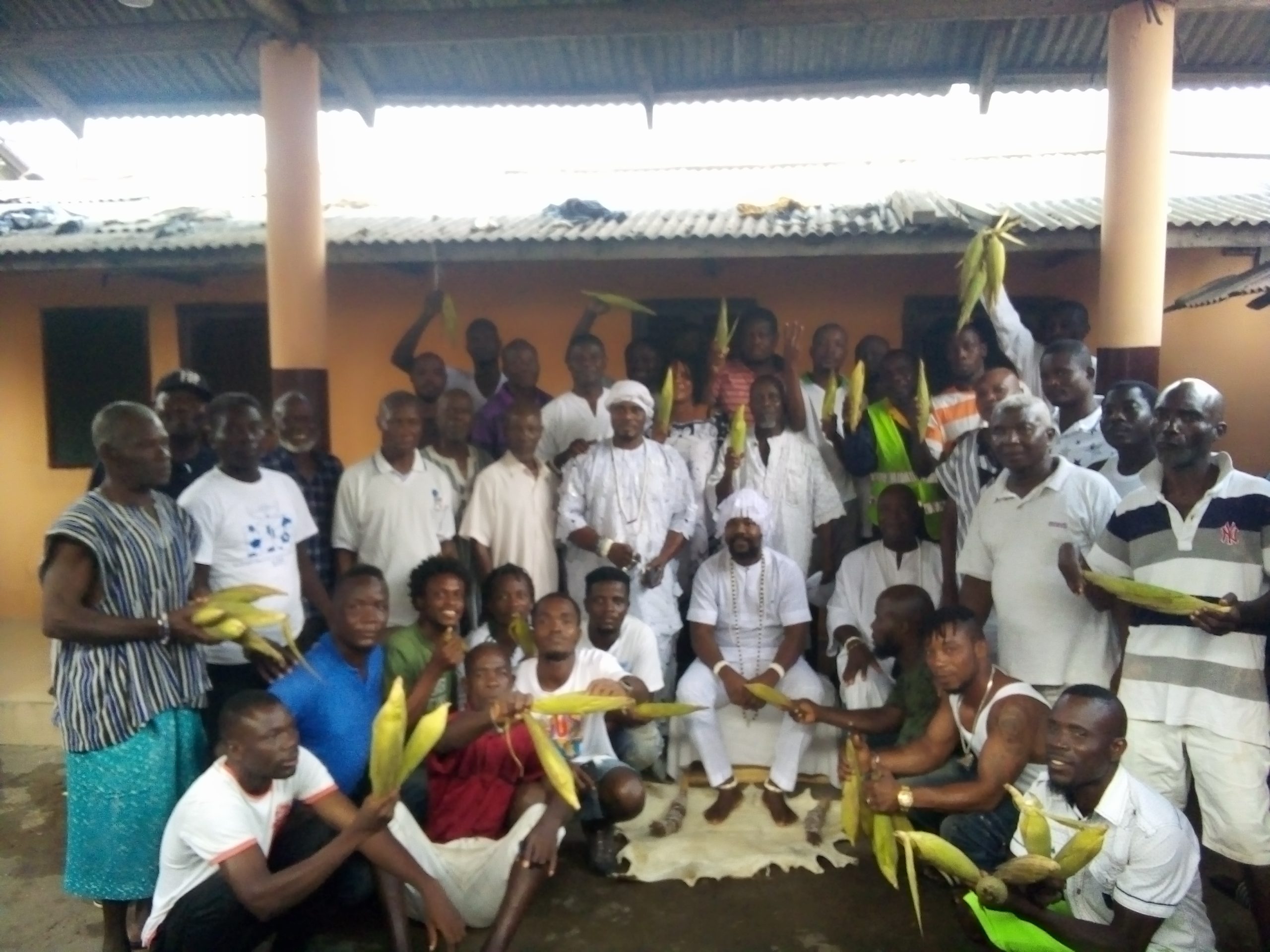
Zabarma Community in Ghana Raises Concerns Over Joma Homowo Flyer, Reaffirms Support for Sarki Yahaya Yendu

The Zabarma community in Ghana, particularly the youth, has expressed concern over a flyer that circulated on social media in connection with the Joma Homowo festival.
The flyer portrayed Alhaji Pro-Umar Tanko as “Zabarma Bonkoin” of Accra, a description community members have disputed.
In a series of concerns, the youth and elders emphasized that the Zabarma community in Greater Accra recognizes His Royal Highness Sarki Alhaji Musah Yahaya Yendu as their legitimate leader.
They revealed that Sarki Yendu also serves as President of the Council of Zabarma Chiefs and heads the Greater Accra Council of Zongo Chiefs.
The Community members described Alhaji Tanko as a self-styled Accra Zabarma Chief and the flyer as “misleading” and called on the public to disregard it.
They pointed to a communiqué from the Council of Zongo Chiefs, copied to the Ga Traditional Council and some media houses which they said clarifies that Alhaji Tanko does not hold any recognized position within the Zabarma community.
Some elders further alleged that Tanko has, in the past, claimed he was installed by the Greater Accra Hausa Chief. According to them, members of the Hausa Chief’s cabinet have denied this, stressing their continued relationship with the recognized Zabarma Chief, Sarki Yendu.
The Zabarma elders also highlighted cultural activities under Sarki Yendu’s leadership, including the annual Zaamai Annaamai festival. The event, which has drawn participation from the Greater Accra Hausa Chief and his cabinet, the Nigerien High Commission, and other West African representatives, has been used to promote Zabarma heritage and encourage the youth to avoid drug abuse.
For the elders and youth, reaffirming their support for Sarki Musah Yahaya Yendu is essential to preserving unity and authenticity within the Zabarma community.
Below is the copy of the communiqué from the Council of Zongo Chiefs
Disclaimer: This report is based on concerns expressed by members of the Zabarma community in Ghana. The publication does not take a position on chieftaincy matters or disputes.